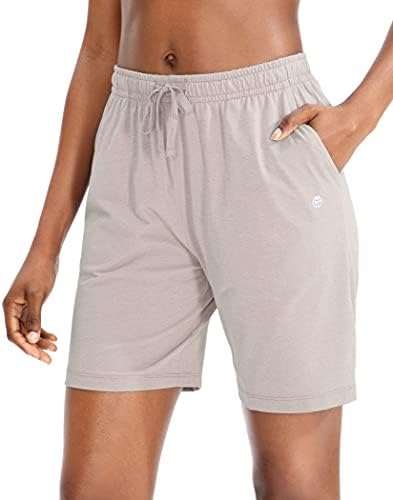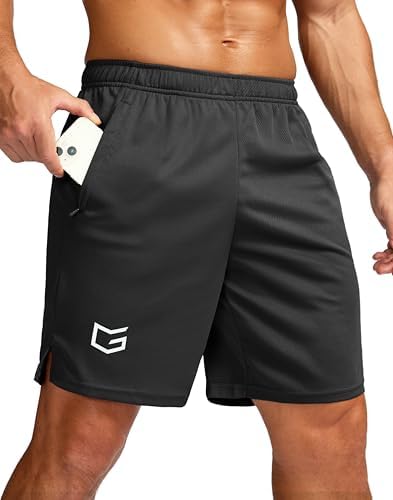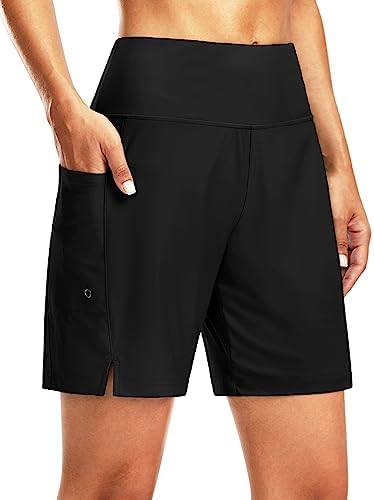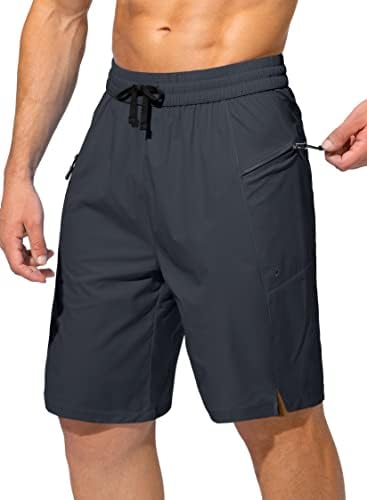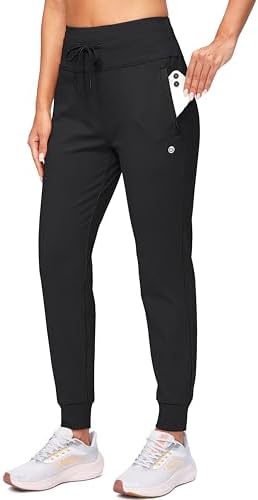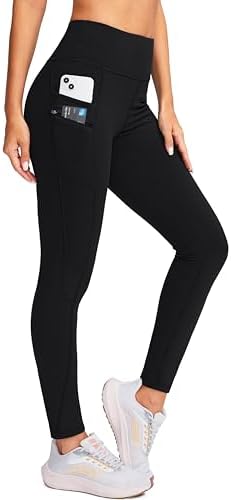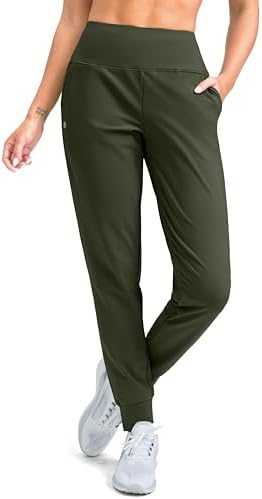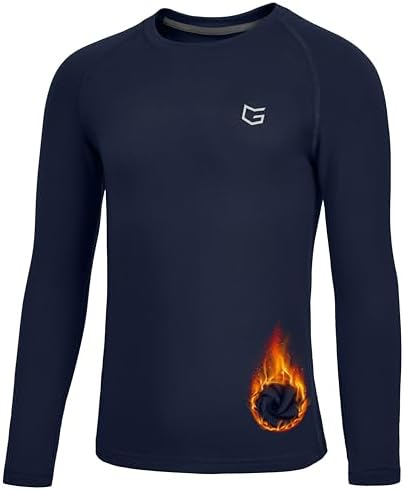
Every one of these garments is synthetic. The question is not cotton against polyester, it is how much stretch fibre got mixed in and what that does to the way the thing behaves after a season of washing.
Read the second number
The most common blends here are 87% polyester with 13% elastane or spandex, and 92% with 8%. Below about 5% stretch fibre the garment holds its shape but does not move much. Between 8 and 13% it moves with you and springs back. Above 18%, which shows up in a few leggings and in the 75% polyamide pieces, it starts to behave like compression wear.
Elastane and spandex are the same fibre under different names. Polyamide is nylon. A 75% polyamide, 25% elastane legging feels closer to swimwear than to a track pant, which is usually what the buyer wanted anyway.
Quick dry is a fabric structure, not a coating
A hundred and thirteen cards carry a quick dry or moisture wicking claim. Polyester does not absorb water into the fibre the way cotton does; it moves it along the surface and lets it evaporate. Nothing is added to make that happen, so it does not wash out. What can wash out is a softener finish, and fabric conditioner is the fastest way to kill the effect.
Where the blend is missing
Sixty-five listings give no fibre content. That is the vendor’s omission and we do not fill it in with a guess. If the composition matters to you, the bullet text on those pages often names the fabric in passing even when the spec table is empty.
Washing
Cold wash, low tumble or line dry, no softener, no iron on the printed pieces. Heat is what destroys elastane, and a hot dryer will take the recovery out of a 13% blend faster than a year of wearing it.